


The sauna, a small room or house designed for experiencing dry or wet heat sessions, has been a significant part of various cultures around the world. Its history is as rich and diverse as the traditions it encompasses. Let’s explore the journey of saunas from ancient rituals to modern-day wellness havens.
Ancient beginnings
The origins of the sauna can be traced back thousands of years. Ancient civilisations recognised the health benefits of sweat baths, with early versions found in regions ranging from the Americas to Africa. However, it is the Nordic countries that are often credited with the development of the sauna as we know it today.
The Finnish sauna
In Finland, the sauna is a cornerstone of cultural identity, with a history that dates back over 2,000 years. Originally, saunas were pit dug into a slope in the ground and later evolved into wooden huts with a fireplace. The Finnish sauna is a place of relaxation, socialisation, and purification, playing a crucial role in the rhythm of daily life.
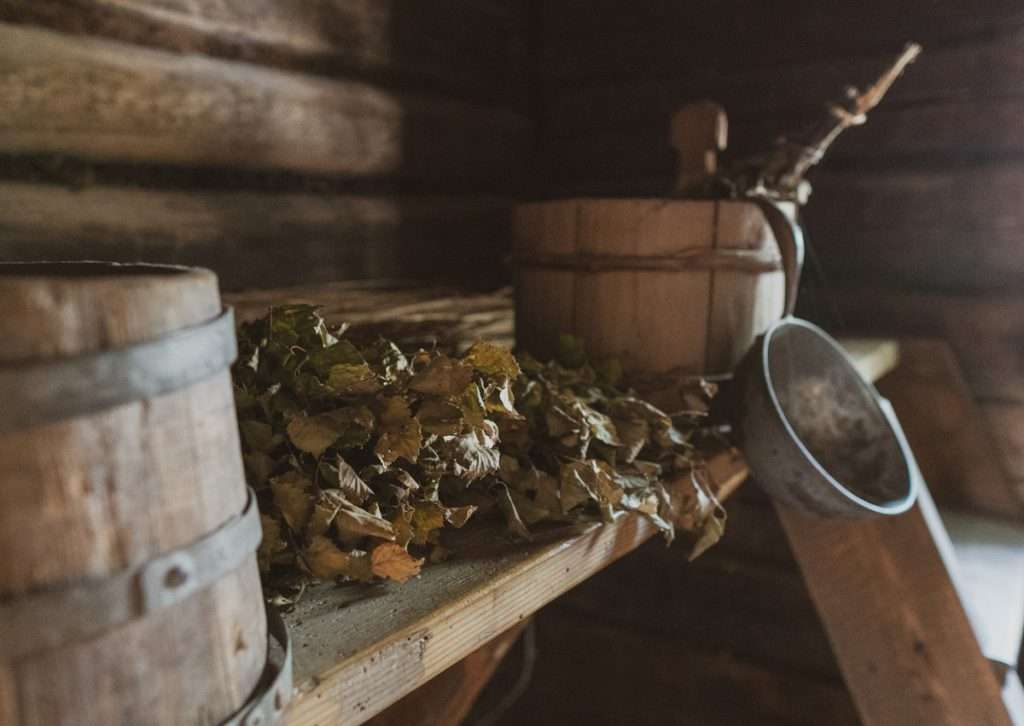
Traditional Finnish sauna
The Russian Banya
Russia’s version of the sauna, the banya, is another integral part of the country’s culture. It’s a place for physical and spiritual cleansing, with a tradition of using venik (bundles of birch or oak leaves) to enhance circulation and improve skin health.
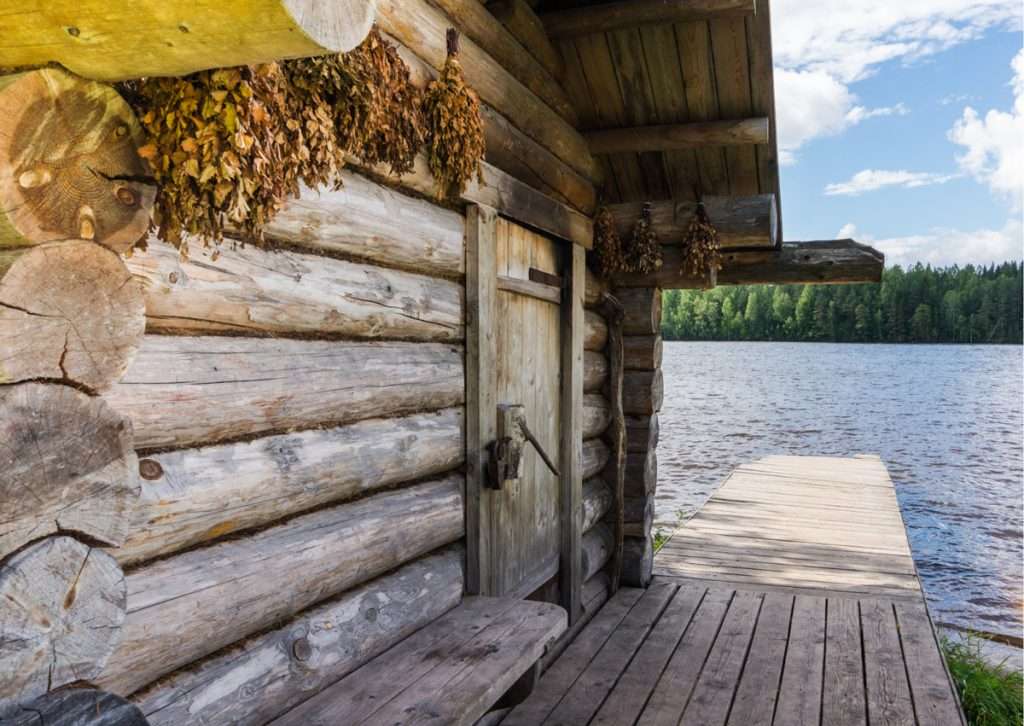
Traditional Russian Banya on a lake
The Turkish Hammam
The hammam, also known as a Turkish bath, is a variant of the sauna with a focus on water rather than steam. Originating from the Roman thermae, hammams became a central feature of Islamic culture, serving as places for social gatherings, ritual cleansing, and architectural marvels. Turkish Hammams can be found around the world in many different cultures.
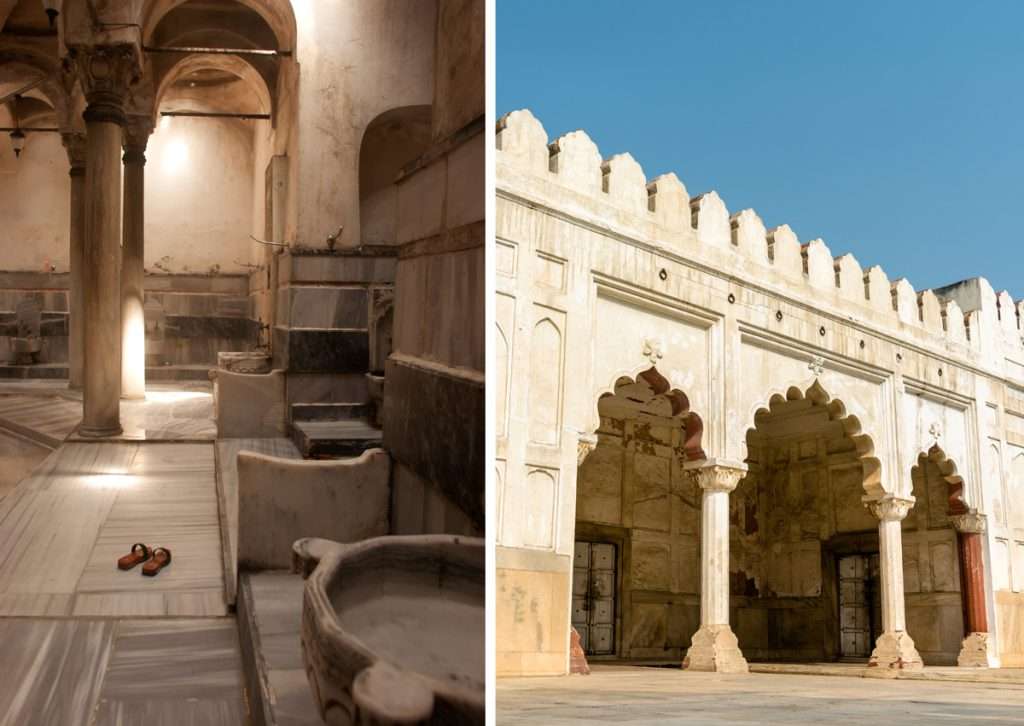
Traditional Turkish Hammam, the Hammam-E-Lal Qila turkish bath, Red Fort, Delhi, India
The Japanese Onsen
In Japan, the onsen, a hot spring bath, harnesses the geothermal heat of volcanic activity. These communal bathing facilities are not only a retreat for relaxation but also a site for healing, believed to have therapeutic properties due to the mineral content of the volcanic water.
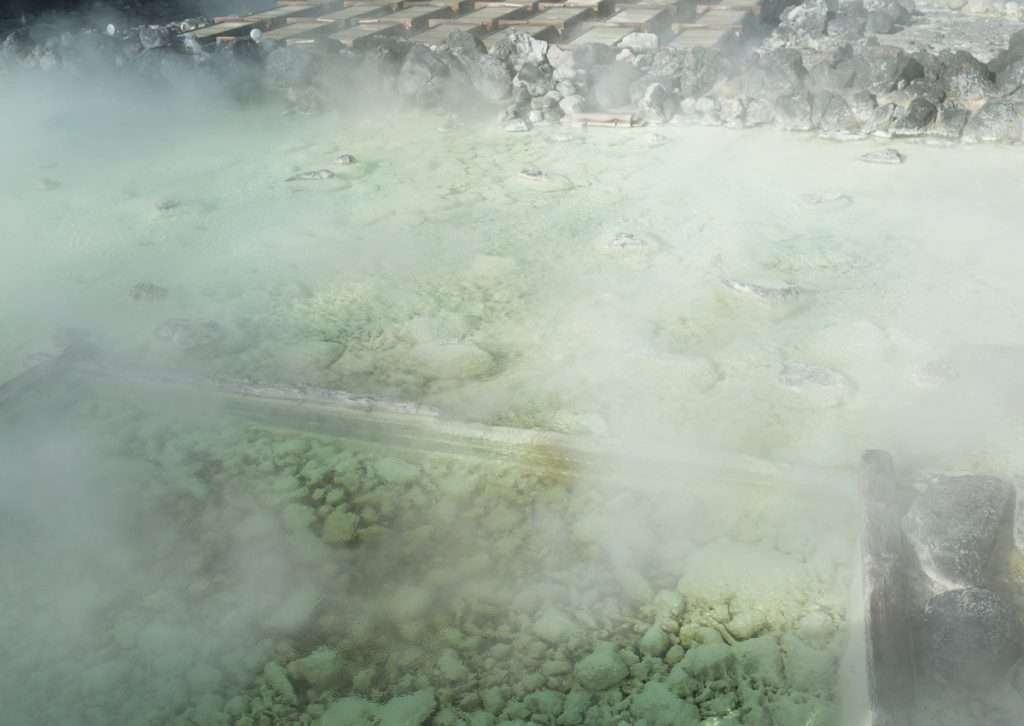
Japanese Onsen steamy mineral springs
Modern-Day Saunas
Today, the sauna has spread globally, with various cultures adopting and adapting the practice. Infrared saunas, for instance, use a different heating method to provide benefits similar to traditional saunas but at lower temperatures. Saunas have become a universal symbol of wellness and self-care, transcending cultural boundaries.
Conclusion
The sauna’s journey from ancient sweat lodges to modern wellness centres reflects humanity’s enduring quest for health and happiness. Each culture has contributed its unique perspective, creating a rich tapestry of sauna traditions that continue to evolve and enrich our lives. Why not take inspiration from these ancient rituals and incorporate a Scandi Life Sauna into your daily routine.
